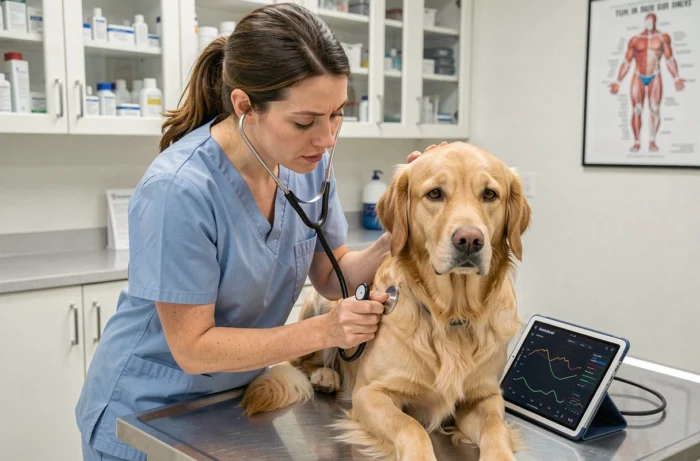
GmVet1 is not just a practice management software. Its cloud-native architecture and multi-site logic make it a clinical governance tool that reshapes how care protocols are applied, monitored, and harmonized within French veterinary structures.
HDS Hosting and GDPR Compliance: What GmVet1 Changes for Veterinary Data
The issue of hosting animal health data has long remained in the regulatory blind spot. With the rise of integrated networks, where about one in five veterinary practices now belongs to a group, the centralization of patient records imposes requirements comparable to those in human health care.
GmVet1 relies on a cloud infrastructure that eliminates local backups and manual updates. Data flows between sites without duplication, reducing version discrepancies and historical losses during transfers between clinics within the same network.
The HDS (Health Data Hosting) certification is a key point of vigilance: any structure that stores sensitive medical data, including animal data, must ensure that its provider complies with the steps for compliance defined by the CNIL.
We observe that GmVet1’s advancement for animals is concretely reflected in complete traceability of access to records, fine management of user rights (veterinarians, veterinary assistants, substitutes), and an audit log that can be utilized in case of disputes. This level of granularity did not exist in previous solutions.
Interoperability with Imaging and Laboratory Equipment
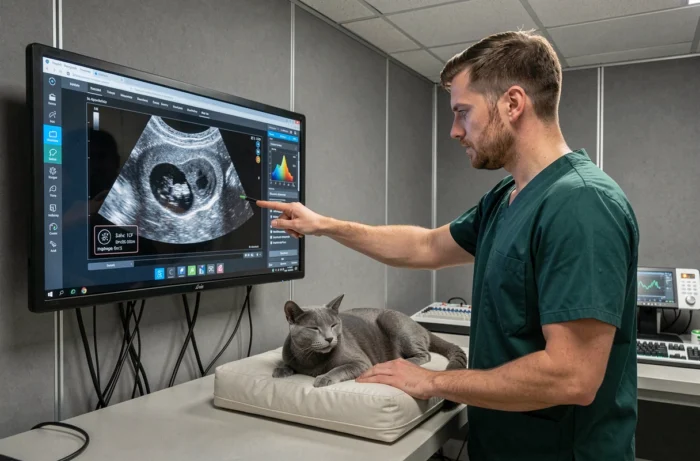
A veterinary software’s value lies in its ability to communicate with the clinic’s hardware ecosystem. GmVet1 integrates native connectors to major laboratory analyzers and digital imaging systems (radiography, ultrasound). The DICOM protocol, a standard in medical imaging, allows for automatic attachment of images to the patient’s record without manual re-entry.
Integration with veterinary suppliers goes beyond just a purchase order. The platform synchronizes pricing catalogs from purchasing centers, enabling real-time price updates and consistent stock management across multiple sites. For a multi-clinic structure, this represents a significant margin lever.
Implementation Considerations
- Imaging connectors require prior validation with the equipment manufacturer, as not all models support the same level of DICOM integration
- Synchronizing supplier catalogs requires rigorous initial configuration: product codes, packaging units, and VAT rates must be aligned between the purchasing center and the software
- Substitutes and short-term veterinary assistants must have pre-configured user profiles to avoid access issues during on-call or emergency situations
Standardized Care Protocols and Indicator-Based Management
The standardization of protocols is the true marker of maturity for a veterinary network. GmVet1 allows for the creation of decision trees shared between sites: a vaccination protocol, a post-operative care plan, or a chronic follow-up plan can be defined once and then deployed across the entire network.
The benefits go beyond uniformity. The performance indicators integrated into the software allow for comparisons of practices between clinics in the same group. Vaccination recall rates, average length of hospitalization, frequency of follow-up consultations: these metrics, automatically aggregated, provide management with an operational dashboard.
What the Indicators Reveal in Practice
We recommend distinguishing between management indicators (intended for management) and clinical indicators (used by practitioners). Mixing the two in the same dashboard creates confusion and discourages adoption by field teams. GmVet1 offers customizable views by profile, which partially resolves this issue.
The configuration of automatic alerts (vaccination reminders, treatment follow-ups) is based on configurable business rules by species and pathology. A cat under thyroid treatment does not generate the same reminders as a dog under cardiology follow-up. This species-specific granularity remains a concrete advantage of the platform.
Migration to GmVet1: Technical Constraints and Real Cost of Change
Changing veterinary software is never trivial. The transfer of patient history is the most critical aspect of any migration. GmVet1 offers import tools from the major software on the market, but the quality of the migration directly depends on the cleanliness of the source data.
Duplicate patient records, poorly filled fields, and unindexed attachments represent the three most common pitfalls. We observe that a prior cleaning of the existing database significantly reduces the duration of the acceptance phase.
- Plan for at least two weeks of dual operation (old and new software) to validate the consistency of migrated data
- Identify a site referent, trained in advance, who provides first-level support to the team
- Test hardware connectors (analyzers, chip readers, label printers) before the final switch
The cost of migration is not limited to the software subscription. The time spent on training and the temporary loss of productivity weigh more heavily than the license itself, especially for structures with more than three practitioners.
Transitioning to GmVet1 remains a structuring investment for clinics aiming for multi-site growth or network integration. For independent practices with a single practitioner, the decision should be approached differently: the functional richness of the platform only makes sense if it serves a real need for coordination among teams.