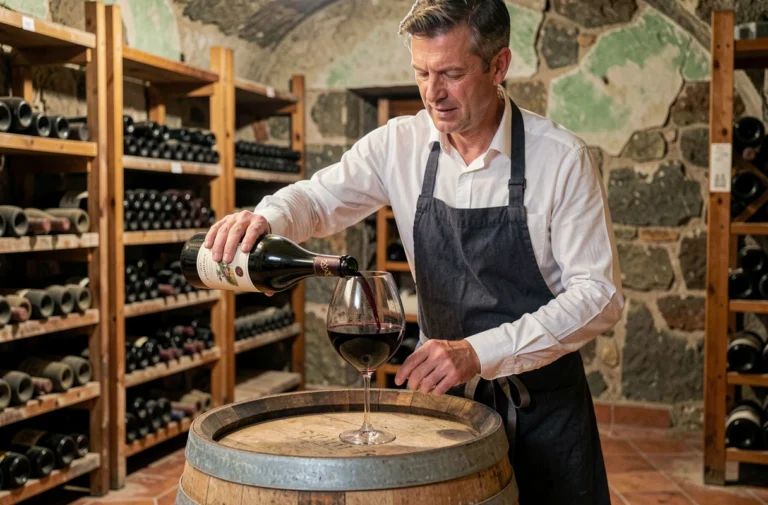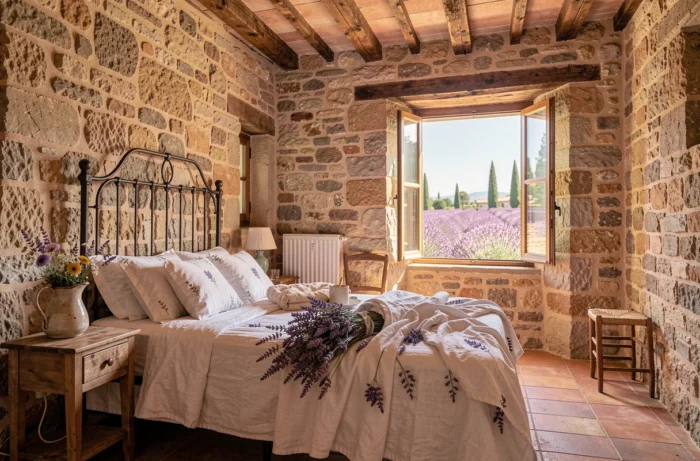
An accommodation described as “authentic” is not limited to a stone facade or vintage furniture. The difference lies in criteria that are rarely displayed: applicable urban planning regulations, the legal status of the structure, compliance with fire safety standards, and the alignment between marketing promises and the actual level of comfort. Most travelers book based on photos and reviews, without checking these parameters that condition the quality of their stay.
Legal Status of Unconventional Accommodations in France
The term “glamping” has no autonomous legal status in French law. It can encompass a cabin, a furnished tent, a light recreational dwelling, or a site located in a classified campsite. No national specifications impose a minimal level of comfort behind this label. In other words, two “glamping” accommodations sold at the same price can offer radically different services.
For mobile structures (tiny houses, caravans, converted trailers), the removable nature is not enough to bypass urban planning rules. An installation lasting more than three months on the same land may require prior declaration. Recreational mobile homes are also limited to certain sites: campsites, holiday villages, recreational residential parks.
In protected areas (classified sites, surroundings of historical monuments, remarkable heritage sites), the constraints become even stricter. The duration of installation exempt from formalities may be reduced, and certain uses prohibited, even for a fully removable structure. An accommodation provider that does not clearly display its operating regime deserves to be questioned before booking.
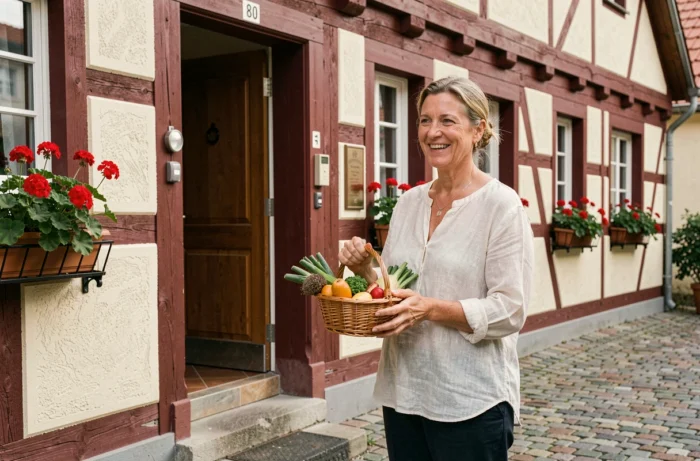
Several platforms, such as chezagathe.com, offer stays with locals where the legal framework is that of a declared tourist rental, simplifying the understanding for travelers.
Concrete Criteria for Evaluating an Authentic Accommodation
We recommend checking three elements before any booking, regardless of the type of stay (cabin, gîte, guest room, unusual night).
- The registration number with the town hall: since the gradual extension of the declaration of tourist rentals, a compliant host has a registration number. Its absence on the listing is not disqualifying everywhere, but it indicates an administrative vagueness that can impact insurance and safety.
- The classification or labeling regime: a star-rated gîte, a guest room labeled by a recognized network, or a campsite declared at the prefecture provide a minimal guarantee base. An “unusual” accommodation outside any framework does not benefit from any safety net in case of disputes.
- Cancellation and insurance conditions: a professional host specifies their general terms and conditions, mentions their civil liability, and details recourse options. The absence of these mentions in the booking form should raise alarms.
These checks only take a few minutes and prevent disappointments that can turn a stay in France into a source of frustration.
Unusual Accommodation in France: What Platforms Do Not Compare
Aggregators of unusual accommodations display classic filters: price per night, location, type of structure (treehouse, bubble, yurt, caravan). They rarely compare the elements that weigh most on the actual experience.
Thermal and acoustic insulation varies greatly from one structure to another. A treehouse built of solid wood with double glazing is nothing like a simple board cabin equipped with a portable heater. Outside the summer season, this gap determines the quality of the stay far more than the view or decoration.
Access to running water and sanitary facilities is another blind spot. Some accommodations offer dry toilets and an outdoor shower, which reflects a conscious choice of nature immersion. Others advertise “all comfort” while shared sanitary facilities are located several dozen meters away. Reading recent reviews carefully remains the best filter.
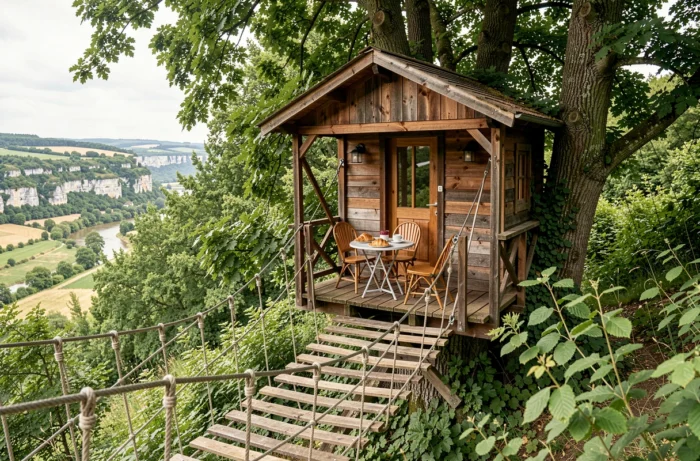
Finally, the density of site occupancy radically changes the atmosphere. A domain with three cabins spaced out in a forest offers a calm that will never be replicated by a park of twenty aligned structures, even if each bears the label “authentic accommodation.”
Stay in a Gîte or Guest Room: The Most Reliable Base
For an authentic stay without regulatory uncertainty, rural gîtes and guest rooms remain the best-regulated formats. The guest room involves the presence of the host, breakfast included, and a limited capacity. The gîte, rented as furnished accommodation, adheres to the rules of tourist rentals.
These formats are rich in character and diversity. A restored longhouse in Brittany, a dry-stone Provençal farmhouse, a fortified farm in the Lot offer an architectural and human immersion that no transparent bubble can replace. Direct contact with the host is the primary factor of satisfaction in field surveys, far ahead of the originality of the structure.
The upgrading of certain guest rooms (private spa, gourmet table d’hôtes, activities on the property) now blurs the boundary with charming hotels, while maintaining a local anchoring that hotel chains struggle to replicate.
Regulations and Investment Aids for Hosts
Project holders wishing to create unusual accommodations face a layering of regimes. The urban planning code, the tourism code, and local regulations (PLU, protected areas) apply simultaneously. The same land may fall under different rules depending on the nature of the installed structure.
Investment aid schemes exist, particularly for accommodations located in rural areas or in labeled territories. However, these aids are conditioned on the complete administrative compliance of the project, which effectively excludes unregistered installations.
For travelers, this complexity has a direct consequence: an accommodation that clearly displays its classification, registration number, and operating regime inspires justified trust. It is a more reliable indicator than the number of stars in online reviews.
The search for authenticity should not come at the expense of transparency. A successful stay in France relies as much on the regulatory framework as on the charm of the place, and hosts who understand this are the ones who sustainably retain their clientele.