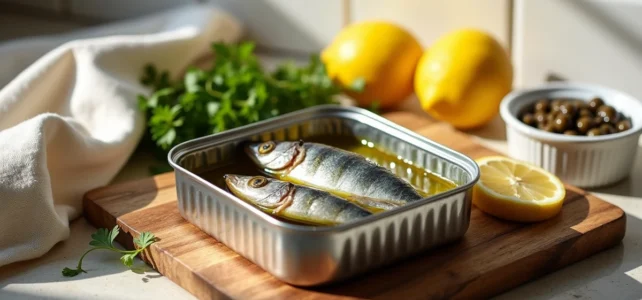
We open a can of sardines to help out with lunch, top a toast for an appetizer, or complete a salad. The action is quick, and the price is modest. However, between two brands placed on the same supermarket shelf, the difference in quality can be significant: covering oil, salt content, fish origin, condition of the can. Knowing how to read a canned sardine label already filters out a good portion of unpleasant surprises.
Covering oil of sardines: the criterion often overlooked in-store
Most buyers look at the price, possibly the brand. The covering oil often takes a back seat. Yet, it largely determines the nutritional profile of the can.
A sardine packed in sunflower oil is immersed in a fat rich in omega-6. This skews the omega-3/omega-6 ratio of the final product, whereas the primary benefit of fatty fish is its omega-3 content. Opt for olive oil or the natural version to maintain this benefit. Some brands like Parmentier have even reformulated their covering oils to increase the omega-3 content of their sardines, a criterion still rare in large distribution.
When wanting to delve deeper into the dangers of canned sardines related to fats and contaminants, the composition of the oil remains the first filter to apply even before turning the can to read the ingredient list.
Sardines in natural oil or olive oil: decide based on usage
Sardines in natural oil (packed in their own juice or in salted water) are better suited for daily consumption or a low-fat diet. Sardines in olive oil provide more calories but also better taste for appetizer or toast use.
Opinions vary on this point: some find sardines in natural oil too dry, while others appreciate being able to season them themselves. The choice depends on the intended dish.
Dented or bulging sardine can: concrete health risks
Sometimes we keep canned goods for months at the back of a cupboard. The risk does not come from the storage duration itself (a properly manufactured can can last for years), but from the physical condition of the can at the time of opening.
A bulging can indicates internal bacterial growth, potentially botulism. A dented can with a marked indentation on the seam may have lost its seal. In both cases, discard without opening.
Other warning signs upon opening:
- A sour, acidic, or abnormally strong smell, different from the usual scent of canned fatty fish.
- A cloudy or frothy liquid around the sardines, a sign of uncontrolled fermentation.
- Sardines whose flesh completely disintegrates upon contact, with an unusual mushy texture.
These situations remain rare with major brands distributed in France, but they can occur with batches imported without clear traceability or stored under poor conditions (heat, humidity).
Salt, contaminants, and frequency: adjusting sardine consumption
Canned sardines are naturally high in sodium, even in the so-called “natural” versions. One can can cover a significant portion of the recommended daily salt intake. For those monitoring their blood pressure, rinsing the sardines with clear water reduces some of the surface sodium.
Regarding contaminants, sardines have a structural advantage over larger predatory fish: their small size and short lifespan limit the bioaccumulation of heavy metals like mercury. Therefore, they can be consumed more regularly than tuna, for example.
What frequency of consumption for canned sardines
Two to three portions of fatty fish per week (sardines, mackerel, anchovies) are sufficient to meet omega-3 and vitamin D needs. Beyond that, it is mainly the excess salt that raises concerns, not the fish itself.
Sardine labels in supermarkets: the mentions that really matter
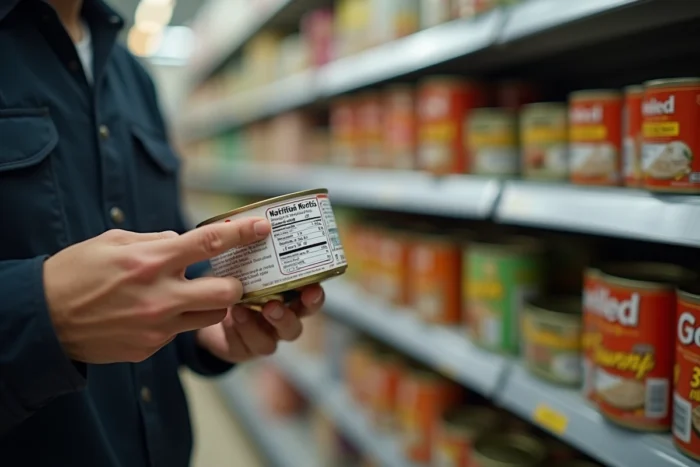
The ingredient list of a good can of sardines fits on one line: sardines, olive oil (or water, salt). The shorter the list, the more reliable the product. As soon as flavor enhancers, aromas, or unspecified vegetable oils appear, the quality decreases.
Here are the mentions to look for on the packaging:
- The fishing area (North-East Atlantic, Breton coasts, Portuguese coasts): it gives an indication of the size and quality of the fish.
- The MSC label (Marine Stewardship Council) or a mention of responsible fishing, which guarantees a minimum level of traceability regarding the capture method.
- The vintage: some canneries date their sardines. A dated can ages like a fine product, with the flesh confit in oil over the months.
- The mention “first canning” or “whole sardines”: it distinguishes fresh-packed sardines from those that were refrozen before being canned.
Sardine brands in large distribution: concrete benchmarks
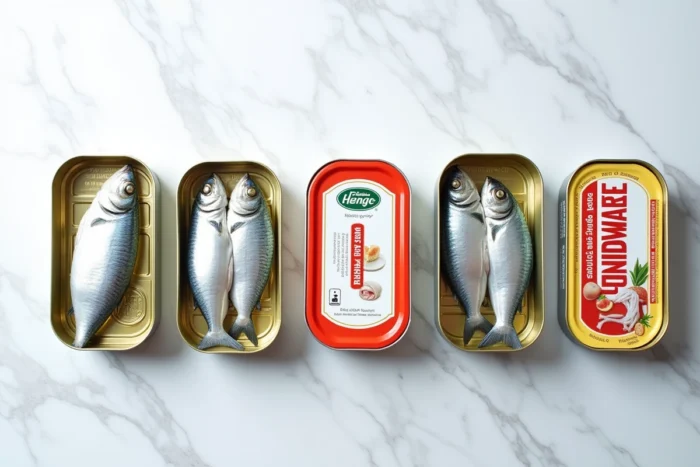
There are considerable quality gaps found in supermarkets. Breton canneries (Connétable, La Belle-Iloise, Parmentier) and Portuguese ones have a recognized expertise in fish canning. Distributor brands vary more: some references are excellent, while others use small-caliber sardines in low-quality sunflower oil.
Always turn the can over to read the ingredient list remains the most effective reflex. A well-designed package guarantees nothing about the content.
Canned sardines remain one of the best value-for-money options for animal protein. Sorting can be done in a few seconds in front of the shelf: olive oil or natural version, short ingredient list, intact can, identifiable fishing area. These four checks are enough to eliminate the majority of mediocre products.